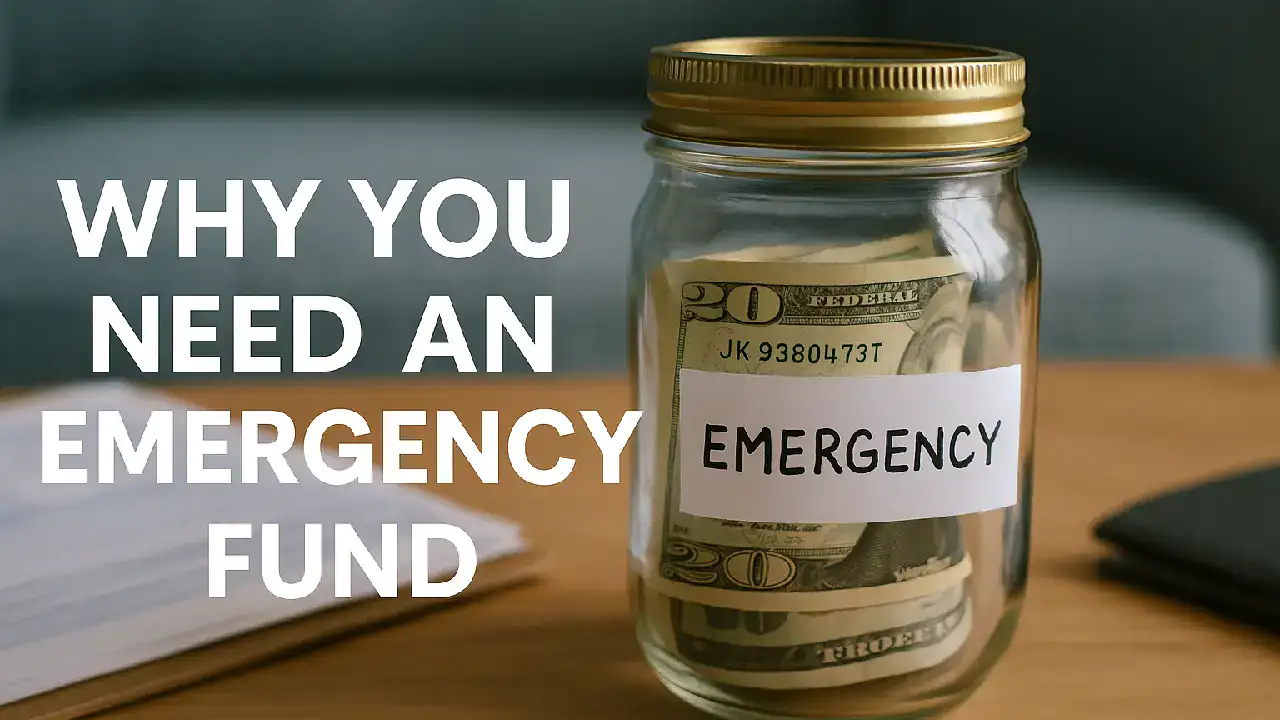
Once you get your budget set, start to control your spending habits and build some savings, you need to really think about an emergency fund. In the same spirit that you cannot view your 401K as regular savings, your emergency fund needs to be off limits as well. Life is full of surprises and not all of them are good. COVID is the best example in recent times but perhaps you lose your job and it takes some time to replace that income source. This is where an emergency fund comes in.
An emergency fund is your personal financial safety net. It is about being prepared and knowing you have key expenses covered when unforeseen circumstances rear their ugly head. In this post I will talk about:
- Why you need an emergency fund even though I have basically covered that above.
- How much should you save in this emergency fund.
- Where you should keep it
- How to build it

What Is an Emergency Fund?
An emergency fund is money set aside to cover unexpected expenses or recurring expenses when you find yourself without a source of income. It is not meant for vacations or those Fendi shoes you have been eyeing. You should save for those items through your budgeting process. Some examples would include:
- Job Loss
- Pandemic (hopefully not!!)
- Major car repairs (routine maintenance can be addressed in your budget)
- Family emergencies
An emergency fund really is cushion so you don’t have to run up your credit card debt or eat into long term savings when life throws you a curveball. I assure you that having this emergency fund will help reduce the financial stress and it will allow you to have some options. As an example, with an emergency fund you won’t have to race to take the first available job offer but allow you time to make the right decision for you.
How Much Should You Save?
My rule of thumb is to save 6 months of your essential living expenses. I apply this rule to my family finances and to each investment property I own. The general rule of thumb is 3-6 months but the key is to start building it and over time it will grow to where it needs to be. You won’t get to 6 months savings overnight but I promise the peace of mind of having even one month in reserves will have you rest your head at night a little more peacefully.
Where Should You Keep Your Emergency Fund?
As I suggested when speaking about savings accounts, you don’t want your emergency fund to be easily accessible. That doesn’t mean you store it in a safe inside a storage unit in another state. It just means you want to build some distance in these funds so that every time you go to an ATM, you see these available funds. I suggest having these funds in a different bank from your everyday checking account.
You also want to keep these funds safe. Most people would tell you to avoid putting your emergency fund in the stock market. I generally agree because you could lose value in the stock market……….you could also grow those funds. If you do choose to put these funds in the stock market, be extremely conservative. A better option would be a money market account or high yield savings account
How To Build Your Emergency Fund?
It can be overwhelming to talk about saving and now building emergency funds and having other funds available to invest while building a downpayment to buy a home. Start with a goal. Perhaps your long term goal agrees with my 6 month suggestion but have a short term goal, no matter how small that goal might be.
You can automate your savings. It is easy to adjust your direct deposit at work so that a certain amount is deposited to your emergency fund with every pay check. Once the fund is where you want it to be you can alter where your paycheck goes.
Reduce unnecessary expenses. I know I sound like a buzz kill. You need to build fun into your life so please do so. Perhaps you can cut out some trips to Starbucks or eat out one less time per week. Put those funds towards your cushion for a while.
The last suggestion would be to use unexpected windfalls. Do you get an annual bonus at work? Did you receive a tax refund? Put those funds straight to your emergency fund!!
Final Thoughts
An emergency fund is one of the most important steps toward financial stability. It protects you from life’s unexpected surprises and gives you peace of mind.
Start small, stay consistent, and before you know it, you’ll have a financial cushion that can handle life’s bumps in the road.
You’re not just saving money — you’re buying yourself security, confidence, and options.