Building a good credit history has been discussed at Starting Early: Why Financial Habits Matter, but what is a credit score, why is it important and what can you do to improve it.
What Is a Credit Score?
According to the Consumer Financial Protection Bureau, a credit score is a predictor of your credit behavior, such as how likely you are to pay a loan back on time which is based on information contained in your credit reports.
Companies (bureaus) will use your information to assign a score to that history via a mathematical model.
There are 3 different companies that compile your credit score:
- Equifax
- TransUnion
- Experian
Your credit score will be slightly different at each of these but not by much. You will rarely have a great credit score at one and a horrible score at another.
In my history of reviewing credit scores when assessing tenants or helping someone with a home loan, 99% of the time these scores were all within 5–20 points of each other.
The only time there will be a significant variance is if one creditor does not report activity to all three bureaus.
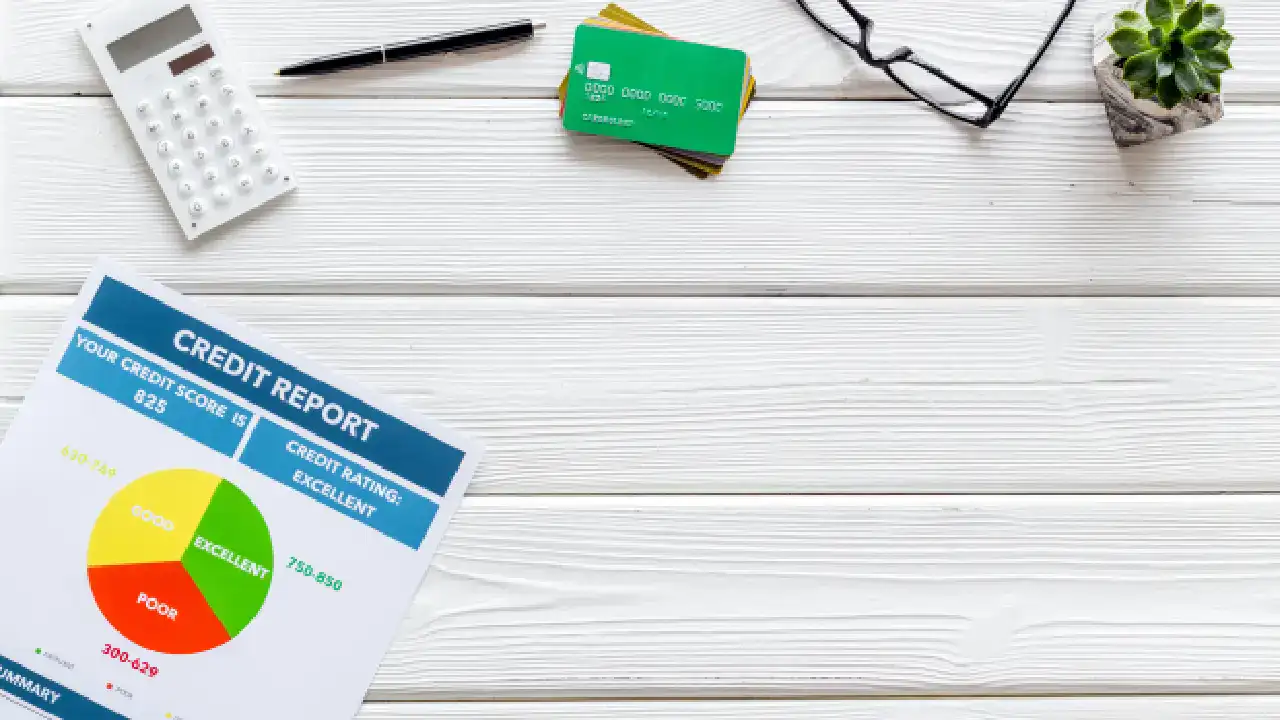
Scores can range from 300 to 850. The most common score is called a FICO score but there is also a VantageScore which uses mathematical models but factors some things differently. 90% of lenders utilize FICO as it is the industry standard.
Typical Credit Score Ranges
| Score Range | Rating |
| Below 630 | Very Poor |
| 630 – 689 | Fair |
| 690 – 719 | Good |
| 720 – 749 | Very Good |
| 750+ | Excellent |
When doing home loans, a score above 720 is typically where borrowers begin to qualify for the best loan products and interest rates.
What Impacts Your Credit Score?
Number of Credit Accounts
Having two or three credit cards is generally fine, but if you have too many open accounts it can lower your score. From a lender’s perspective more accounts mean the potential for more monthly payments you must manage. If you have 10 credit cards, it does not matter if they all don’t have balances. The point is that you have the potential for 10 separate monthly payments if your finances or habits change.
Credit Utilization
If you are maxed out on your credit cards it will definitely bring down your score.
Payment History
When you are late paying a credit card company or loan that gets reported to the credit bureaus. Even one late payment can affect your score and multiple late payments will drag it down.
Length of Credit History
Having a longer history with a credit card company benefits your credit score. This is why I keep one credit card open that I have had for many years even though I rarely use it.
Credit Inquiries
If you respond to every credit card offer you receive those inquiries appear on your credit report and can harm your score if there are too many.
There is some sophistication in the system though. If you are shopping for a car or home loan, multiple inquiries within a short period are often grouped together so they do not harm your score significantly.
Why Your Credit Score Is Important
- Access to credit
- Interest rates on loans
- Insurance premiums
- Potential employment screening
- Apartment or housing approval
- Business financing
If you want access to credit you need a good credit score. You may still be able to buy a home or car with poor credit but it will be much more expensive.
For example those 0% APR car advertisements assume excellent credit. If you have poor credit that same loan could easily exceed 8%.
The same principle applies to mortgages which involve much larger balances and longer loan terms.
Example: The Cost of Higher Interest Rates
Consider a $500,000 home loan with a 30 year term.
If the interest rate increases by just one percentage point the monthly payment can increase by roughly $300 per month.
Over the life of a 30 year mortgage the difference between a 4% rate and a 7% rate can exceed $338,000 in total interest paid.
That is a significant amount of money that could remain in your pocket simply by maintaining a strong credit score.
How to Build a Strong Credit Score
Make Every Payment on Time
This is the most important habit. Consider setting up automatic payments for at least the minimum balance so you never miss a payment. Your credit history doesn’t care if you made an honest mistake.
Avoid Too Many Credit Cards
Banks constantly send credit card offers but one or two cards is usually sufficient. You will receive a lot of offers: save 10% if you sign up today, it only takes a few minutes. Avoid these traps!
Maintain Low Credit Utilization
Keeping balances around 30–40% of your credit limit can help your score.
For example a card with a $30,000 limit and a $5,000 balance can help your score while a card with a $500 limit and a $450 balance can hurt your score because you are using most of the available credit. Yes, in this example, the $5,000 balance helps and the $450 balance hurts.
Improving Your Credit Score
If you are trying to repair or improve your credit score the same rules apply. One of the first steps should be reviewing your credit report so you understand exactly what is impacting your score. You can obtain a free copy of your credit report from each bureau once per year through AnnualCreditReport.com, the official site authorized by federal law.
If you have too many accounts open consider closing some of them but remember that older accounts can help your score because of the longer credit history.
When paying down credit cards it is often best to focus on one card at a time until it is significantly reduced and then move to the next.
Conclusion
Your credit score plays a major role in your financial life. It affects the loans you qualify for, the interest rates you receive and even opportunities such as housing or employment.
By developing strong habits early you can build a strong credit profile that saves you significant money over time.